Fix Your Bump, Boost Confidence: Best Rhinoplasty Techniques for Indian Faces
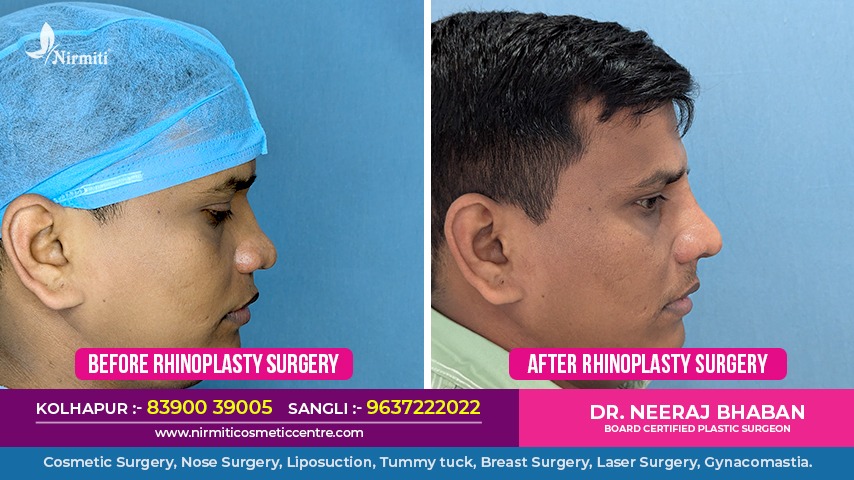
A prominent nasal bump can affect more than just your profile—it impacts self-esteem, breathing, and even social interactions. For many with Indian features, rhinoplasty offers a transformative solution, refining the nose while honoring ethnic beauty. This guide explores the best techniques tailored for Indian faces, helping you achieve natural, harmonious results that boost confidence without looking “done.”
At Nirmiti Cosmetic Centre, led by renowned rhinoplasty surgeon Dr. Neeraj Bhaban, patients benefit from expertise in facial aesthetics, including complementary procedures like hair transplantation for a complete rejuvenation package.
In This Article:
- Why Indian Faces Need Specialized Rhinoplasty
- Understanding the Nasal Bump: Causes and Impacts
- Top Rhinoplasty Techniques for Indian Features
- Skin Type Considerations: Tailoring for Indian Complexions
- The Procedure Journey: What to Expect Step-by-Step
- Combining Rhinoplasty with Hair Transplantation: Total Transformation
- Risks, Myths, and Realistic Expectations
- Why Choose Nirmiti Cosmetic Centre?
- Embrace Your Confidence
Why Indian Faces Need Specialized Rhinoplasty
Indian noses often feature thicker skin, wider bridges, and prominent humps, differing from Caucasian or East Asian profiles. Standard Western techniques can lead to unnatural results, like overly pinched tips or scooped bridges. The goal? Subtle refinement that enhances features like high cheekbones and warm skin tones.
Dr. Neeraj Bhaban, a leading rhinoplasty surgeon, emphasizes cultural sensitivity. His approach at Nirmiti Cosmetic Centre preserves ethnic identity while addressing functional issues like deviated septums, common in 30-40% of Indian adults.
Understanding the Nasal Bump: Causes and Impacts
A dorsal hump arises from genetics, trauma, or aging, creating a visible discontinuity between the brow and tip. For Indian faces, it often pairs with bulbous tips, amplifying profile concerns.
Beyond aesthetics, bumps obstruct airflow, causing snoring or sinus issues. Studies show 70% of rhinoplasty patients report improved breathing post-surgery, alongside a 50-60% confidence surge.
If you’re considering options, consult a skilled rhinoplasty surgeon like Dr. Neeraj Bhaban, who integrates hair transplantation for men experiencing receding hairlines that accentuate nasal prominence.
Top Rhinoplasty Techniques for Indian Features
-
Open Rhinoplasty: Precision for Complex Humps
Ideal for prominent bumps, this technique uses a small columellar incision for full visibility. Surgeons rasp the hump bone and refine cartilage, reshaping the dorsum smoothly.
For Indian skin, Dr. Bhaban employs conservative reduction to avoid the “operated” look, adding spreader grafts for bridge support. Recovery: 7-10 days swelling, full results in 12 months.
-
Closed Rhinoplasty: Minimal Scars, Natural Tips
No external cuts—ideal for milder bumps. Internal incisions allow hump reduction via precise shaving. Perfect for thicker Indian skin where tip refinement needs careful suturing.
At Nirmiti Cosmetic Centre, closed methods pair with hair transplantation for forehead balance, yielding 90% patient satisfaction in profile harmony.
-
Ultrasonic Rhinoplasty: The Game-Changer for Precision
Using piezoelectric tools, this vibrates only bone, sparing soft tissue. Reduces bruising by 40% and preserves ligaments for natural contouring—crucial for oily Indian skin prone to prolonged swelling.
Dr. Neeraj Bhaban, expert rhinoplasty surgeon, favors ultrasonics for ethnic noses, minimizing irregularities.
-
Cartilage Grafting: Building the Ideal Bridge
Harvested from ear or rib, grafts camouflage bumps and project tips subtly. For Indian faces, diced cartilage wrapped in fascia creates smooth, enduring bridges.
Combined with hair transplantation at Nirmiti, it addresses full facial aesthetics.
Skin Type Considerations: Tailoring for Indian Complexions
Thick sebaceous skin demands defatting and tip support to prevent pollybeak deformities. Oily types benefit from steroid tapes post-op; dry skin needs hydration protocols.
Dr. Bhaban customizes based on Fitzpatrick types IV-V, ensuring pigmentation stability—a common post-rhinoplasty concern in South Asians.
The Procedure Journey: What to Expect Step-by-Step
- Consultation: 3D imaging simulates outcomes. Discuss goals, like bump reduction without narrowing nostrils excessively.
- Surgery Day: 2-3 hours under general anesthesia. Outpatient for most.
- Recovery: Splint for 7 days; avoid cardio for 3 weeks. Bruising fades in 10-14 days.
- Results Timeline: 80% visible at 3 months, refined by year one.
Nirmiti Cosmetic Centre offers VIP recovery suites, with rhinoplasty surgeon Dr. Neeraj Bhaban monitoring via app.
Combining Rhinoplasty with Hair Transplantation: Total Transformation
Many Indian men notice bumps more with thinning hair. Hair transplantation—FUE or FUT—restores density, framing the refined nose perfectly.
Dr. Bhaban excels in combo cases: Rhinoplasty smooths the profile while transplants add youthful volume, boosting confidence holistically at Nirmiti Cosmetic Centre.
Risks, Myths, and Realistic Expectations
Myth: Rhinoplasty always looks fake. Reality: Ethnic techniques yield natural results.
Risks (under 5%): Infection, asymmetry—minimized by experienced surgeons. Cost in India: ₹1-2.5 lakhs, far below global rates.
Choose board-certified rhinoplasty surgeons like Dr. Neeraj Bhaban for safety.
Why Choose Nirmiti Cosmetic Centre?
Led by rhinoplasty surgeon Dr. Neeraj Bhaban, Nirmiti blends art and science. 98% patient recommendation rate, advanced tech, and bundled hair transplantation make it a top choice.
Embrace Your Confidence
Ready to fix that bump? Natural rhinoplasty for Indian faces is more accessible than ever. Book with Dr. Neeraj Bhaban at Nirmiti Cosmetic Centre for personalized rhinoplasty and hair transplantation—your confident profile awaits.

Book An Appointment
Latest Post
How Dimple Creation Surgery Can Give You the Cute, Dimply Smile You’ve Always Wanted
How Dimple Creation Surgery Can Give You the Cute, Dimply Smile You’ve Always Wanted A smile can say a lot about a person, and for many, it’s a key feature that adds charm and attractiveness. While some people are naturally gifted with dimples, others dream of having that adorable, dimply smile. If you've ever wished [...]
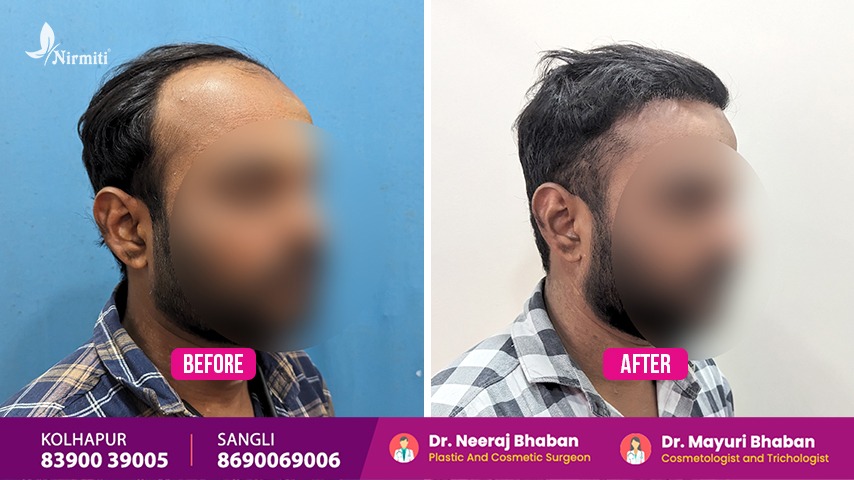
Regrow Your Hair, Regain Your Confidence: The Power of Hair Transplant Surgery
Regrow Your Hair, Regain Your Confidence: The Power of Hair Transplant Surgery Hair loss is a concern that affects millions of people worldwide, impacting both men and women of all ages. Whether it’s thinning hair, receding hairlines, or complete bald spots, hair loss can cause significant emotional distress and self-esteem issues. But what if you [...]
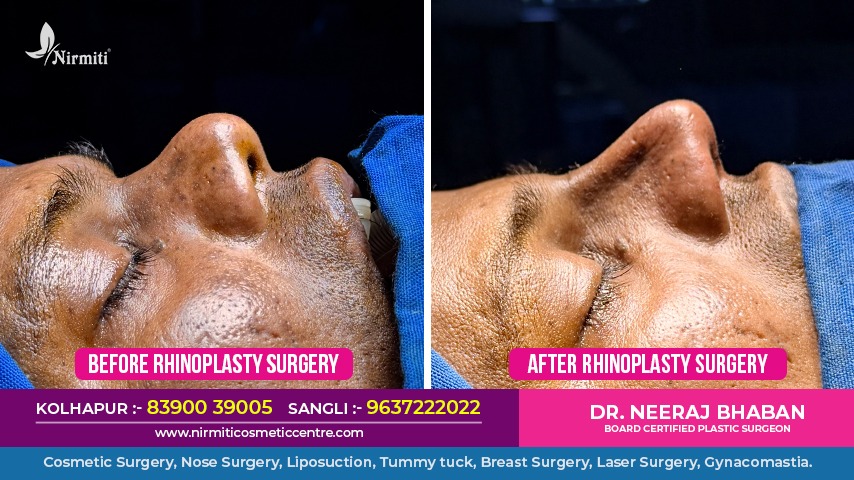
Considering Rhinoplasty? Here’s Why the Right Surgeon Makes All the Difference
Considering Rhinoplasty? Here's Why the Right Surgeon Makes All the Difference When you think about facial harmony, your nose plays a central role in shaping your overall appearance. For many individuals, the desire to improve the appearance or function of their nose leads them to consider rhinoplasty surgery—a procedure that can boost self-confidence and enhance [...]